Same day gardeners Highgate urgent garden clearance available
If your garden has tipped from "a bit untidy" into "needs sorting today," you are not alone. Storm debris, overgrown borders, piled-up cuttings, broken branches, or a last-minute move-out can create a proper headache fast. That is exactly where Same day gardeners Highgate urgent garden clearance available becomes useful: quick help, sensible planning, and a clean result without the faff of waiting around for weeks.
This guide explains what same-day garden clearance really involves, how to judge whether you need urgent help, what to expect on the day, and how to avoid common mistakes. It also covers the practical bits people often miss, like disposal, safety, and choosing the right service scope for your garden. If you want a clearer, calmer outdoor space by the end of the day, read on.
Why Same day gardeners Highgate urgent garden clearance available Matters
Urgent garden clearance is not just about making a space look neat. In real life, a messy or blocked garden can affect access, safety, neighbours, and even the timing of other jobs. Maybe you have a rear gate that is jammed by brambles, or a landlord inspection tomorrow morning. Maybe a tree limb came down overnight and now the path is half blocked. That is not a job for "sometime next week".
In Highgate, where many gardens are compact, sloped, shared, or tucked behind period properties, clearance work can become complicated quickly. A small amount of overgrowth can feel bigger than it looks, especially when you are trying to get wheelie bins through, let a tradesperson in, or simply see what is under the mess. Urgent clearance brings order back fast. Simple as that.
There is also a trust element. When people search for same-day help, they are often under pressure. The right gardener should be calm, realistic, and able to tell you what can genuinely be done today. Not every garden can be made perfect in one visit, and honestly, that is fine. What matters is getting the dangerous, obstructive, or unsightly parts under control so you can breathe again.
If the job also leads into longer-term upkeep, it is often smart to look at garden maintenance once the immediate mess is handled. And if the work is part of a larger outdoor refresh, you may also want to review the wider services overview so you know what else can be bundled sensibly.
How Same day gardeners Highgate urgent garden clearance available Works
The best same-day service follows a clear pattern. First comes the quick assessment. That might happen over the phone, by message, or with a site visit if timing allows. The aim is not to overcomplicate things; it is to work out what needs removing, how much waste is involved, and whether any areas require extra care.
Once the job is agreed, the team arrives with the right tools and starts with the priority areas. In urgent clearance, the order matters. For example, loose branches and hazardous debris usually get dealt with before smaller cuttings. Access routes are cleared first, then larger piles are broken down, collected, and removed. After that, the team can tidy edges, rake up smaller material, and leave the area safer and more usable.
Same-day work often links to other tasks. A garden can need clearance plus hedge work, lawn repair, or a bit of pruning. That is why services like hedge trimming and lawn mowing often come into the conversation. If there are dangerous limbs or a fallen tree issue, tree lopping and removal may be relevant too, though that depends on the size and condition of the tree and the site.
A good gardener will also explain what is not included. That honesty matters. If a job needs heavy demolition, stump grinding, or specialist waste handling, it should be said clearly rather than guessed at. Nobody wants surprises at 4 pm.
Key Benefits and Practical Advantages
The obvious benefit is speed. But there is more to it than that.
- Fast access: pathways, doors, bins, and garden gates can be reopened quickly.
- Reduced stress: a chaotic outdoor space becomes manageable again, which is oddly relieving.
- Safer conditions: wet leaves, loose branches, hidden rubble, and trip hazards are dealt with early.
- Better first impressions: useful for letting agents, buyers, guests, or neighbours.
- Cleaner follow-up work: once the clutter is gone, ongoing maintenance is easier and cheaper to manage.
One thing people often underestimate is the mental load. A garden full of mess keeps asking for attention every time you look out the window. Clear it once, and the space starts behaving again. You notice the light, the shape of the beds, the fact that the patio is still there. That sounds small, but it changes how you use the home.
There is also a practical planning benefit. If you are preparing for repairs, landscaping, or decking work, clearance is often the first sensible stage. It is hard to plan improvements when you cannot even see the boundaries. For bigger transformations, it can make sense to explore landscape gardening or landscaping after the urgent work is done.
Who This Is For and When It Makes Sense
Urgent garden clearance suits a wide range of people, and the trigger is not always dramatic. Sometimes it is a rushed situation; sometimes it is just life getting on top of a space. To be fair, gardens have a funny habit of turning wild just when you are busiest elsewhere.
This service makes sense if you are:
- moving out and need the garden cleared quickly before inventory or handover
- expecting visitors, tenants, or buyers and need the space presentable
- dealing with storm debris, fallen branches, or a sudden pile-up of waste
- trying to regain access to a shed, gate, patio, or bins
- preparing for a larger garden project
- simply overwhelmed and want the mess removed in one go
It is also useful for older gardens that have been neglected over time. Sometimes the issue is not "one bad weekend" but years of slow build-up. Thick ivy, bramble runners, self-seeded saplings, and stacked plant debris can make a garden feel much smaller than it is. Urgent clearance can create a clean starting point, even if the final redesign comes later.
If you are mostly trying to restore the garden rather than redesign it, a combination of clearance and routine upkeep is usually the smart route. That is where a page like garden clearance becomes especially relevant, because it bridges the gap between emergency tidy-up and longer-term care.
Step-by-Step Guidance
Here is the simplest way to approach an urgent clearance without making it harder than it needs to be.
- Identify the priority problem. Is it access, safety, appearance, or waste removal? Pick the main issue first.
- Take a quick look at the scale. A small pile of cuttings is very different from a full overgrown clearance. Be honest with yourself here.
- Remove obvious personal items. Pots, toys, tools, hoses, and garden furniture should be moved if possible.
- Flag hazards early. Broken glass, hidden nails, unstable piles, bees, or rotten timber should be mentioned before work starts.
- Ask what can be done today. A same-day crew may clear the main problem and leave finer detailing for a follow-up visit.
- Confirm waste handling. Make sure garden waste, green material, and mixed debris are treated appropriately.
- Review the finish. Check paths, gates, borders, and access points before the team leaves.
A quick example: a homeowner in Highgate notices on a Saturday morning that a fallen branch has blocked the side return and the back gate is barely opening. The smartest move is not to start hacking at it with a blunt saw and a bit of hope. Better to isolate the area, mention the exact issue, and get help that can remove the debris safely and efficiently. Less drama, fewer grazes.
For any job involving waste sorting or re-usable green material, it helps to ask how the team approaches recycling. A provider that prioritises responsible disposal is usually easier to work with in the long run, and their approach should be explained plainly. You can also check a company's stated approach to recycling and sustainability if you want to understand that part of the service better.
Expert Tips for Better Results
The fastest way to get better results is to be specific. Not dramatic, just specific. "The back section is the problem, the front is mostly fine" gives a gardener useful information immediately. "It's all a bit messy" is understandable, but it is not much to plan around.
Here are a few practical tips that make a real difference:
- Photograph the problem before the visit. A couple of clear images can save time and reduce confusion.
- Move delicate items. Pots, ornaments, bird feeders, and soft planting can be protected or relocated beforehand.
- Highlight hidden access issues. Narrow side returns, steps, and uneven ground can change the whole job plan.
- Separate urgent from non-urgent work. The first visit should solve the biggest blocker, not try to perfect every bed.
- Ask about follow-on maintenance. Clearing is one thing; preventing the mess from coming back is another.
Also, keep an eye on timing. Early morning appointments can work well for same-day jobs because the garden is easier to assess in natural light, before the day gets busy. In the evening, things can look more chaotic than they are. That patch of shadow by the fence? Sometimes it is just, well, shadow.
If the garden is going to need more than one visit, a sensible follow-up might include lawn mowing, hedge shaping, or a broader seasonal tidy. That turns a one-off rescue into something manageable.
Common Mistakes to Avoid
Urgent jobs create pressure, and pressure leads to mistakes. That is normal. Still, a few avoidable missteps show up time and again.
- Waiting until the last possible hour. Same-day help is easier to arrange when you call as soon as the problem appears.
- Assuming all clearance is the same. Light waste removal, overgrown bramble clearance, and fallen tree debris are not interchangeable jobs.
- Forgetting access details. Locked gates, narrow passages, or no parking can delay the work.
- Not mentioning hazards. Hidden sharp objects or unstable structures can create avoidable risk.
- Expecting a full redesign in one visit. Clearance is often the first stage, not the whole story.
Another common error is underestimating how much waste will come out of a small-looking area. Anyone who has dragged a tangled pile of ivy from behind a shed knows the feeling: somehow it was always much more than it looked. That is just gardens, really. They keep secrets.
If you want the job to finish cleanly, ask about the finish standard before work starts. Will the team rake, sweep, bag, or remove all debris? Will access paths be left open? Small questions, big difference.
Tools, Resources and Recommendations
You do not need to own specialist equipment to arrange urgent clearance, but it helps to know what professionals typically bring. That way, you can judge whether a setup looks appropriate for the task.
| Tool or item | Typical use | Why it matters in urgent jobs |
|---|---|---|
| Secateurs, loppers, saws | Cutting back branches and dense growth | Lets the team work through tangled areas without damaging nearby plants |
| Heavy-duty bags and containers | Collecting cuttings and mixed debris | Keeps the site tidy and speeds up waste handling |
| Gloves, eye protection, sturdy footwear | Personal protection | Important where there is brash, thorns, broken timber, or unstable ground |
| Rakes and brooms | Final tidy and surface clearing | Useful for leaving paths, patios, and lawn edges clean |
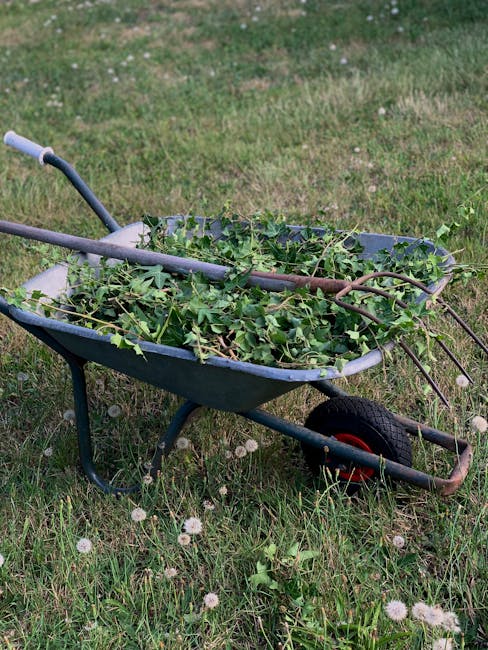
| Wheelbarrows or carts | Moving heavy or bulky waste | Helps with tight access and reduces strain on the team |
For homeowners, the best "resource" is usually a clear description of what is wrong and what outcome you want. If you can say "clear the back gate, remove the bramble pile, and make the patio safe to walk on," that is much more useful than asking for a vague tidy-up. It also helps the team decide whether a same-day response is realistic.
For service comparison and planning, it may also help to review pricing and quotes so you understand how jobs are usually assessed. Not every garden is priced the same, obviously. Size, access, waste volume, and urgency all matter.
Law, Compliance, Standards, or Best Practice
Garden clearance is a practical service, but it still needs to be handled with care. In the UK, reputable providers should work in line with sensible health and safety practices, safe manual handling, and responsible waste disposal. Exact requirements can vary depending on the job, the material removed, and whether any specialist hazards are present.
Here are the main best-practice points to keep in mind:
- Risk awareness: clear any known hazards before work begins, especially sharp objects, unstable structures, and hidden debris.
- Safe lifting: bulky waste should be moved using sensible techniques and, where needed, proper equipment.
- Waste separation: green waste, timber, and mixed rubbish should not all be treated the same way.
- Insurance and accountability: it is wise to choose a provider that is transparent about cover and working practices.
- Respect for neighbours and access: noise, shared boundaries, and blocked passages should be handled considerately.
It is also fair to ask about insurance and site safety before work starts. That is not overcautious; it is sensible. A clear, confident provider should be able to explain how they manage risk, especially for urgent work where conditions can change quickly. You can review a company's stated approach on insurance and safety and its health and safety policy if you want that reassurance upfront.
Where waste and disposal are concerned, there may also be company-level practices around sorting and reuse. You do not need legal jargon to understand this. The simple test is: are cuttings, branches, and disposable material being handled sensibly, with an effort to minimise unnecessary landfill? That is usually the right direction.
Options, Methods, or Comparison Table
Not every urgent garden problem needs the same response. Sometimes you need a full clearance visit. Sometimes a targeted tidy-up is enough. The right choice depends on urgency, scale, and what the garden needs afterwards.
| Approach | Best for | Strengths | Limitations |
|---|---|---|---|
| Rapid clearance only | Blocked access, unsafe debris, quick reset | Fast, focused, practical | May not improve the whole garden |
| Clearance plus tidy finish | Move-in/move-out prep, guests, inspections | Looks better and functions better | Takes longer than a simple haul-away job |
| Clearance plus maintenance | Overgrown gardens needing a reset | Stops the problem coming straight back | May require follow-up visits |
| Clearance plus landscaping plan | Gardens ready for redesign or improvement | Creates a proper long-term solution | Needs more planning and budget |
In real terms, the choice is often simple. If your gate is blocked and you need access today, go for the urgent clearance first. If the garden is messy and also generally tired, a broader plan may be smarter. The nice thing is that these are not competing ideas. They can follow one another quite naturally.
A quick route to a healthier garden is to pair immediate clearance with regular follow-up work, then adjust the level of care over time. That approach is especially helpful in Highgate, where a tidy finish can fade fast if plants are left to run riot again.
Case Study or Real-World Example
Imagine a terraced property with a narrow rear access path. After a windy night, the garden is littered with branches, leaves, and broken stems. The side passage is slippery, the back gate barely opens, and the patio has become a dumping spot for cuttings from earlier DIY pruning. Nothing dramatic, but enough to make the whole space feel unusable.
The homeowner wants the garden presentable before a family gathering that evening. A same-day gardener arrives, checks the access route, identifies the fragile plants that should be left alone, and starts with the debris blocking the passage. The larger branches are removed first, then the smaller clutter, then a final tidy of the patio and borders. By late afternoon, the space is walkable, safer, and far less stressful to look at.
The key lesson is not that everything was made perfect. It was not. The lesson is that the critical problem was solved fast, and the homeowner could use the space again. That is what urgent clearance does well. It buys back control.
If the garden then needs shaping, hedge work, or a better ongoing routine, those tasks can follow once the immediate pressure is gone. Sometimes the best jobs are the ones that stop the panic first. The polish can come later.
Practical Checklist
Use this checklist before booking or while preparing for the visit.
- Identify the main issue: access, safety, appearance, or waste removal
- Take a few photos of the affected area
- Clear away personal items, tools, and fragile ornaments where possible
- Point out hidden hazards, including sharp objects and unstable structures
- Confirm whether the team needs parking space or gate access
- Ask what will be removed today and what may need a second visit
- Check whether waste will be sorted and taken away responsibly
- Decide if follow-up maintenance will be needed after clearance
- Review the expected finish: swept, raked, bagged, or fully cleared
- Keep your phone nearby in case access details change at the last minute
Expert summary: The best urgent garden clearance is not just quick; it is organised, safe, and realistic. Aim to solve the actual problem first, then plan the prettier bits afterwards.
Get a free quote today and see how much you can save.
Conclusion
Same-day garden clearance is at its best when it solves a real problem quickly and without fuss. Whether you are dealing with fallen branches, an overgrown border, blocked access, or a last-minute deadline, the right service should give you clarity fast and leave the space usable again.
In Highgate, where outdoor spaces can be compact, shared, and awkwardly accessed, that kind of practical help is more than convenient. It can take a genuinely stressful situation and make it manageable by tea time. Not glamorous, perhaps. But very useful.
Choose a provider that is honest about scope, careful with safety, and sensible about disposal. Then, once the immediate chaos is gone, you can think about the calmer part: keeping the garden working for you rather than against you. That feels better, doesn't it?
And if the space ends the day a little lighter, a little cleaner, and a lot less tangled, that is a good result.
Frequently Asked Questions
What does same day garden clearance usually include?
It usually includes the removal of visible garden waste, overgrowth, fallen debris, and other clutter that is blocking access or making the space unsafe. The exact scope depends on the site, the size of the job, and what can realistically be completed the same day.
Can urgent garden clearance be done in a small Highgate garden?
Yes. Small gardens often benefit the most because even a modest amount of waste can block a path, gate, or patio. Tight access may affect how the work is done, but it does not make it impossible.
How fast can a gardener arrive for an urgent clearance?
That depends on availability, the time of day, and the scale of the problem. Same-day help is most realistic when you contact the team early and give clear details about the work needed.
What should I tell the gardener before they arrive?
Tell them the main issue, the size of the area, any access problems, and any hazards such as broken glass, unstable piles, or thorny growth. A few photos can help a lot.
Is garden clearance the same as regular maintenance?
Not quite. Clearance is usually about removing clutter, waste, or overgrowth quickly. Maintenance is the ongoing care that keeps the garden tidy afterwards. The two often work well together.
Will all the waste be taken away?
In most urgent clearance jobs, that is the point. Still, it is worth confirming exactly what is included. Mixed waste, green waste, and bulky debris may be handled differently depending on the job.
Do I need to be at home during the visit?
Often yes, especially if access is tricky or if you want to point out the priority areas. In some cases, arrangements can be made in advance, but that depends on the service and the property.
What if my garden also needs hedge or tree work?
That can be handled as part of a broader plan, but it should be discussed upfront. Hedging, pruning, and tree-related work may require more time or different equipment, particularly if safety is involved.
How do I know if the job is too big for one day?
If the garden is heavily overgrown, filled with mixed rubbish, or difficult to access, it may need more than one visit. A good gardener will tell you honestly what can be achieved right away and what should follow later.
Is urgent garden clearance safe in wet weather?
It can be, but wet ground, slippery surfaces, and poor visibility all make the job trickier. Safety comes first, so the work may be adapted if the conditions are not suitable.
Can urgent clearance help before a property viewing or move-out?
Absolutely. It is one of the most common reasons people ask for rapid help. A tidy garden makes the whole property feel more cared for, even if the rest of the day is a bit frantic.
What is the best next step if my garden keeps getting overgrown?
After the clearance, set up a simple maintenance plan. That may include mowing, hedge trimming, and periodic tidy-ups so the garden does not slide back into the same state again.