Garden Maintenance in Highgate

Garden maintenance in Highgate needs a careful, regular approach that keeps planting, lawns, borders and boundary features in good order without turning the space into a constant project. We provide practical maintenance work for private gardens, shared outdoor spaces and front or rear plots that need steady attention through the seasons. The service can include mowing, edging, pruning, hedge trimming, tidying beds, clearing cuttings and keeping pathways and access areas neat.
For customers who want a garden to look settled rather than overworked, consistent maintenance is often more valuable than occasional heavy intervention. Our approach is based on the condition of the space and the work it actually needs, so we can focus on plant health, shape and usability rather than cosmetic fuss. That may mean keeping a lawn at an even finish, reducing overgrowth around shrubs or ensuring the garden remains manageable between larger jobs.
If you are planning a one-off tidy-up or a recurring schedule, tell us what needs attention and we can discuss the most suitable maintenance work. You can also ask for a quotation when you are ready.
Regular maintenance for tidy, manageable outdoor spaces
Routine garden maintenance is about keeping the space in balance. Grass, hedges, trees, climbers and borders all grow at different rates, and each area benefits from a different kind of attention. Lawns may need mowing and edging, while shrubs and herbaceous plants may need selective cutting back, dead growth removal or light shaping. A good maintenance visit should leave the garden looking cared for without stripping away its character or seasonal interest.
We can also deal with the less visible jobs that keep a garden functioning well. That includes removing weeds from established beds, clearing leaves from lawns and hard surfaces, cutting back growth that blocks paths or windows, and collecting green waste once the work is complete. Where a garden has become uneven or cluttered, maintenance can restore a sensible baseline so later work is easier to plan.
To compare the different kinds of outdoor work we offer, you can look at our services overview and decide which tasks belong together. If you already know the garden is in need of a fuller reset rather than a light tidy, the next sections explain how that wider work is usually approached.
Lawn care, mowing and finishing details

A well-kept lawn is often the most visible part of a garden, so mowing and finishing work deserve proper attention. Regular mowing helps keep grass even and prevents the lawn from becoming coarse or patchy at the edges. The exact pattern of work depends on the growth rate, the season and how the lawn is used, but the aim is the same: a surface that looks orderly and remains practical to walk on or use for everyday enjoyment.
Finishing details matter as much as the cut itself. Edging around borders, paths and patios can give the garden a cleaner line, while removing clippings from paving keeps surfaces safer and tidier. In some gardens, grass needs to be managed around steps, narrow side returns or mixed planting, so the work has to be careful and controlled rather than rushed. We keep the lawn care focused on the result the garden needs, not on unnecessary disturbance.
Useful lawn maintenance points often include the following:
- regular mowing at a suitable height for the season and lawn condition
- edging to sharpen the outline of borders and hard surfaces
- clearing clippings and light debris after cutting
- spotting areas that may need separate attention, such as thin patches or shaded growth
Hedges, shrubs and shaping work

Hedge trimming and shrub care help control the shape and size of established planting while keeping it healthy enough to continue growing well. Some hedges need a neat, clipped finish; others only need selective reduction or seasonal tidying. The right approach depends on the plant type, the time of year and whether the aim is privacy, definition or simply reducing spread. Good maintenance keeps growth under control without leaving the plant sparse or uneven.
We also pay attention to shrubs that have become tangled, top-heavy or crowded. Light pruning can remove dead or crossing stems and bring better light and air into the plant, while more substantial trimming may be needed where the garden has been left for longer than usual. The work is not only about neatness; it also helps create space for healthy regrowth and keeps borders from becoming overbearing.
If you want to understand the broader approach before you request a quotation, hedge trimming is one of the clearest examples of how we manage shape, height and seasonal cutting carefully. For mixed planting and beds that need broader attention, maintenance can be combined with other garden tasks so that the whole space feels coherent.
Clearing growth, debris and seasonal build-up
Garden maintenance often includes clearing the material that accumulates naturally over time. Fallen leaves, spent stems, dead flowerheads, broken branches and windblown litter can all make a garden look tired even when the structure is still sound. Removing that build-up keeps paths easier to use, helps planted areas breathe and makes the space more presentable between larger visits. In many gardens, this practical clearing is what restores order most quickly.
Seasonal changes can create different maintenance needs. In spring, there may be new growth to protect while older stems are reduced. In summer, the main work may be keeping pace with fast growth and trimming back areas that obscure access. In autumn, leaf fall and soft growth create more clearing work, while winter maintenance often focuses on managing bare structure and preventing the garden from becoming neglected. We tailor the work to the condition in front of us.
For gardens that need more than routine clearing, our garden clearance page outlines how heavier removal work fits alongside ongoing maintenance. That distinction matters because clearing a build-up is not the same as replacing careful, regular care, and the best result usually comes from choosing the right mix of both.
Planning maintenance around the condition of the garden

Some gardens benefit from a light recurring visit, while others need more concentrated attention to bring them back to a manageable state. The right plan depends on what is growing, how long it has been since the last visit and how much visible change the customer wants. In practice, garden maintenance can be set up as a neat cycle of mowing, pruning, trimming and clearing, or it can be arranged as a one-off tidy before a larger decision is made.
When maintenance is planned well, each visit can build on the last. That means less time spent correcting overgrowth and more time spent keeping the space controlled and pleasant to use. It also makes it easier to protect sensitive planting, because repeated heavy cutting is avoided where lighter work would do. If you are deciding between basic upkeep and a more extensive refresh, it is sensible to describe the current condition clearly so the scope can be matched to the work required.
If the garden needs broader improvements beyond routine care, landscape gardening may be relevant as a separate type of project. For straightforward upkeep, though, a consistent maintenance plan is often the most efficient route, especially where several different tasks can be grouped into one visit.
How we quote for garden maintenance
Quotation work is usually clearer when the scope is specific. The size of the area, the amount of growth, the mix of lawns, beds and hedges, and the ease of access all affect how much time is needed. A garden with straightforward mowing and light tidying will generally need a different plan from one that includes dense planting, taller hedges or a long gap since the last visit. Clear information helps the work be priced appropriately and keeps expectations realistic.
It is useful to note any areas that need careful handling, such as delicate planting, restricted access, steps, narrow side passages or surfaces that should not be disturbed. A brief description of the current condition is often enough to identify the main tasks, and photographs can be helpful when the garden is not easy to inspect in person. That makes it easier to decide whether the job is best handled as ongoing maintenance, a deeper tidy or a combination of both.
Pricing and quotes provides a useful place to begin if you want to request a figure after outlining the work. If you prefer to keep things simple, just describe what the garden looks like now and what outcome you want from the maintenance visit.
About Highgate
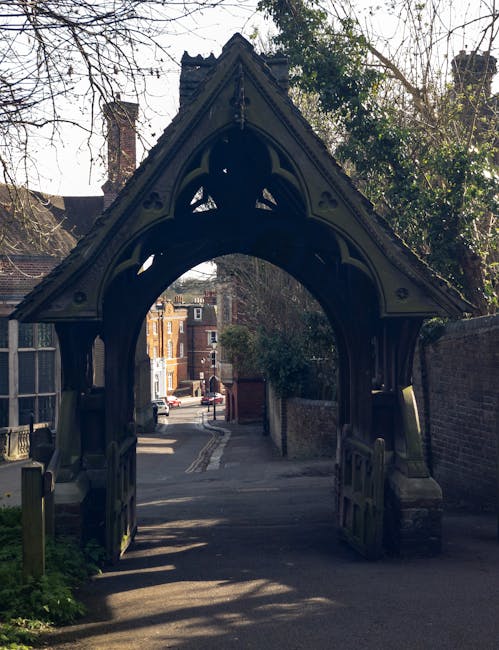
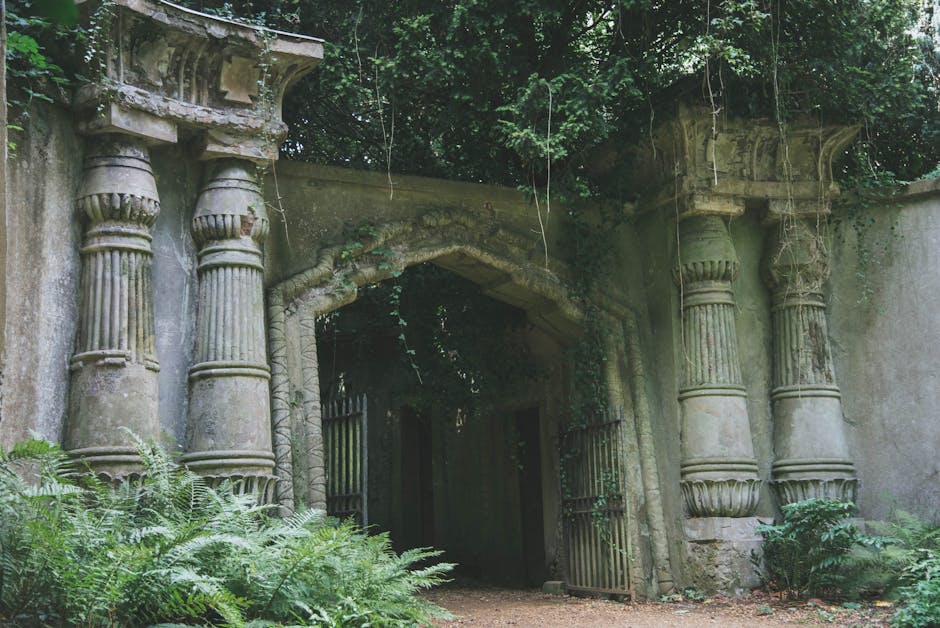
Highgate is a North London area best known for its elevated position on the edge of Hampstead Heath and its mix of village character, steep streets and historic architecture. The name has long been associated with the old road gate that once controlled access through the area, and traces of that history remain in the layout of the surrounding streets. The district sits across parts of the London Borough of Camden, the London Borough of Haringey and the London Borough of Islington, which gives it a boundary that is as much lived as it is administrative. Highgate Village forms the most recognisable centre, with narrow lanes, Georgian and Victorian buildings, independent shops and pubs clustered around Highgate High Street and the streets nearby. The area also contains notable landmarks such as Highgate Cemetery, famous for its atmospheric pathways, mature trees and 19th-century funerary architecture, and St Michael’s Church, whose tower is a prominent local feature. To the west and south, the proximity of Hampstead Heath and its wooded landscapes gives the area a notably green edge, while Waterlow Park offers formal gardens, views across London and open space that contrasts with the denser streets around the village. Highgate has a strong architectural variety, from older cottages and terraces to larger detached and semi-detached homes, and many streets rise and fall sharply along the hill. That topography, together with the wooded setting and historic streetscape, gives the area a distinctive character within inner north London. Cultural life is also part of its identity, with theatres, local events and long-standing community associations contributing to a sense of place that feels settled rather than transient. The combination of heritage, open space and residential streets has made Highgate one of the more distinctive parts of the city, with an environment shaped as much by its historical layers as by its present-day neighbourhood life.
Ongoing care for mixed planting, borders and access areas
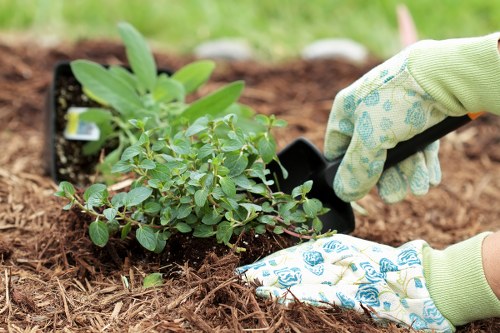
Not every garden needs the same work on every visit, which is why mixed planting and border care should be handled with judgement. A border full of perennials, shrubs and climbers may need selective cutting rather than general tidying, while gravel edges, narrow passages and side entrances may need careful weed control and debris removal. The aim is to keep the garden usable and attractive without flattening its structure or removing seasonal interest that the owner wants to keep.
Access routes and boundary areas are often overlooked until they become difficult to use. Narrow side returns, steps, front approaches and paths can collect moss, leaves and stray growth, all of which make the garden feel less organised. Maintenance in these areas is as important as work on the main lawn or central borders, because it helps the whole site function as one space. If you already know which parts are troublesome, it is worth separating them in your description so the work can be planned properly.
For gardens that also need tree work or reduction of larger growth, tree lopping and removal may be relevant alongside maintenance. If your concern is mainly about routine upkeep, though, a regular maintenance schedule usually keeps most problems under control before they become more disruptive.
Choosing the right service level for your garden
Some customers want a simple regular visit to stop growth getting ahead of them, while others need a larger first visit followed by lighter follow-up maintenance. The useful question is not how much work can be fitted into a job, but which tasks will keep the garden in the best condition for the longest period. A well-chosen service level can reduce repeated effort, improve appearance and make the outside space easier to enjoy without constant intervention.
If you are unsure whether the garden needs mowing, hedge trimming, border clearing or something more comprehensive, it helps to think about the most visible issues first and then the underlying ones. Is the space simply untidy, or is it overgrown? Are plants healthy but crowded, or do they need careful reduction? Do you want a one-off improvement or a regular pattern of care? Clear answers make it easier to request the right quotation and avoid unnecessary work.
When you are ready to move forward, you can ask for a quotation with a brief description of the garden and the outcome you want. A short message is often enough to begin, and it helps us match the maintenance work to the garden rather than forcing the garden to fit a fixed routine.
Gardens that stay tidy for longer
Well-planned garden maintenance is not only about what gets done on the day. It is also about leaving the space in a condition that makes later care easier. Clean edges, controlled growth and cleared debris all help prevent the garden from sliding back too quickly, while thoughtful pruning and cutting keep plants in a healthier state. Over time, that kind of care makes the garden more stable, more legible and less demanding to manage.
For many properties, the best maintenance plan is a practical balance of regular attention and occasional heavier work. That balance depends on the planting, the use of the space and how much upkeep the owner wants to take on between visits. We aim to keep the service straightforward, with the work shaped around the garden’s real condition rather than around a rigid idea of what maintenance should look like. If that sounds like what you need, a clear enquiry is the best place to start.
Contact us to request a quotation for garden maintenance in Highgate and describe the work you would like carried out. If you prefer to review related information first, the about us page and the garden maintenance page can help you decide how to proceed.