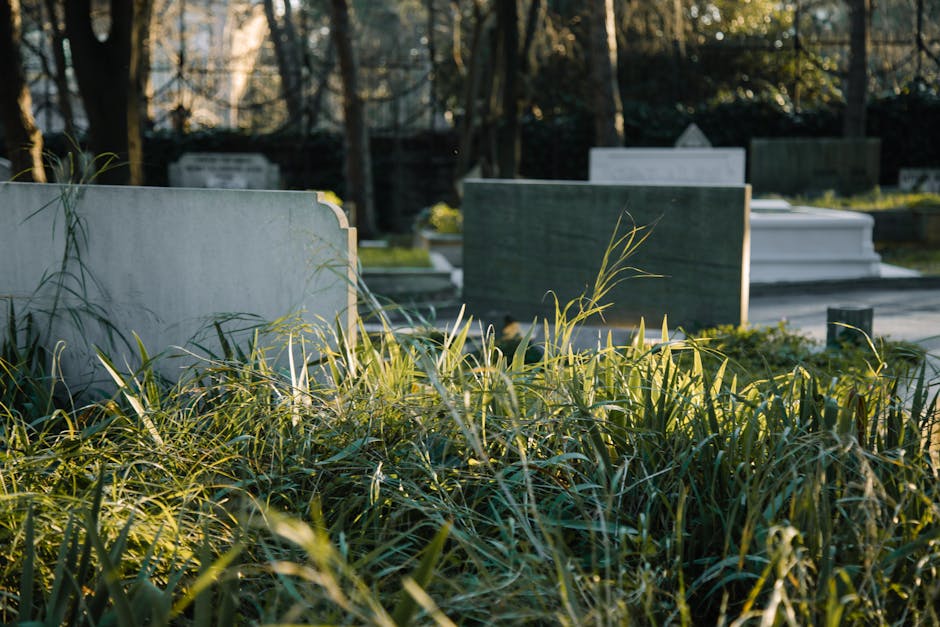
Highgate Cemetery gardeners for sensitive garden maintenance
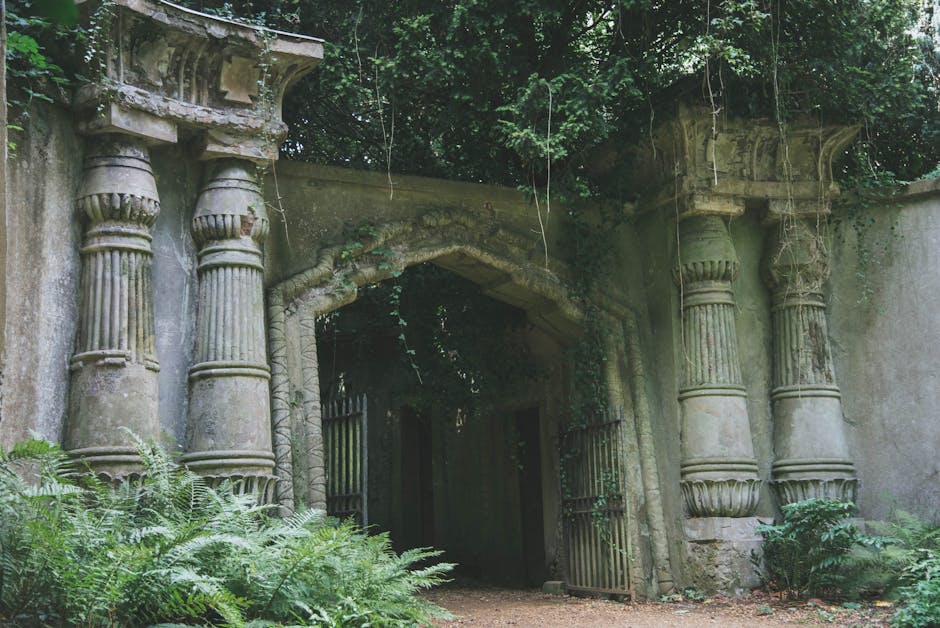
There are gardens that can be cut back hard, tidied quickly, and put right again next week. Highgate Cemetery is not one of them. When people look for Highgate Cemetery gardeners for sensitive garden maintenance, they usually need something more thoughtful: careful pruning, respectful clearance, quiet working methods, and a real understanding that every path, planting pocket, memorial edge, and historic feature deserves restraint. That changes everything.
In a place like this, the job is not simply to "make it neat". It is to preserve dignity, protect established planting, and keep the grounds safe and legible without flattening their character. This article walks through how sensitive cemetery garden maintenance works, who needs it, what good practice looks like, where mistakes happen, and how to make sensible decisions if you are responsible for a private plot, memorial area, or heritage-adjacent garden space.
If you are weighing up options, or just trying to understand what "sensitive maintenance" really means, you are in the right place.
Why Highgate Cemetery gardeners for sensitive garden maintenance Matters
Highgate Cemetery is not a standard domestic garden. It carries heritage value, emotional weight, and a very particular visual language. Overgrown ivy, self-seeded saplings, leaning stems, mossy borders, or a patch of neglected grass may look minor in a normal setting. In a cemetery context, though, those same issues can quickly change the feel of a space. They can obscure inscriptions, hide trip hazards, press against masonry, and make the grounds feel uncared for.
That is why sensitive maintenance matters so much. A skilled gardener working in or around cemetery grounds has to balance three things at once: respect, restraint, and practical upkeep. Too little attention and the space slips into disrepair. Too much intervention and you risk stripping out the soft, settled character that makes the place feel calm rather than clinical.
There is also the human side. Families visiting memorials often want a space that feels peaceful and clean, not overhandled. Visitors notice details. A swept path, a clipped edge, or a carefully lifted branch can change the whole experience. Funny how the smallest things do that, really.
Expert summary: Sensitive garden maintenance in a cemetery setting is less about "tidying everything" and more about preserving atmosphere while improving safety, visibility, and long-term health of the planting and hardscape.
If you are coordinating wider upkeep across a grounds network, it may help to review the broader services overview first, then decide which areas need routine maintenance and which require a gentler, heritage-aware approach.
How Highgate Cemetery gardeners for sensitive garden maintenance Works
Good cemetery maintenance starts with observation. Before a single cut is made, the gardener should look at what is actually there: the age and condition of planting, the presence of memorial stones or edging, drainage issues, self-sown growth, access constraints, and any signs that previous work has been too heavy-handed. In sensitive places, a quick glance is not enough. You need a proper read of the site.
The practical work often falls into a few careful categories. Light pruning, hand-weeding, selective deadheading, grass cutting where appropriate, gentle clearance of fallen leaves, and controlled removal of invasive or damaging growth are all common. But the order and method matter. For example, an ivy stem may need to be detached gradually rather than yanked away. A hedge may need a soft reduction instead of a hard face cut. And anything near old stone or delicate planting needs a slower hand.
Weather and timing matter too. Damp conditions can make paths slippery and cutting less clean. Mid-morning or early afternoon work may be quieter and easier for visitors to navigate around than a rushed start when the site is still busy with dew and footfall. It sounds simple. It is simple, in a way. But the difference between rushed and considered is often very visible.
Many jobs also need coordination with other services. If a section has become heavily cluttered with bramble, fallen branches, or accumulated waste, a careful round of garden clearance may be needed before ongoing maintenance can take place. If canopy growth is shading paths or pressing into memorial areas, tree lopping and removal may be required, subject to the right permissions and a cautious assessment of risk.
In practice, sensitive maintenance tends to follow a rhythm: assess, clear only what is necessary, protect what should remain, then finish with a tidy, calm result that looks as though it has always belonged there.
Key Benefits and Practical Advantages
The benefits of using gardeners who understand sensitive maintenance are both visible and less visible. The visible ones are easy to spot: cleaner paths, healthier borders, less encroachment, better sightlines, and a more orderly appearance overall. The less visible ones matter just as much.
- Respect for heritage character: The work supports the feel of the site rather than replacing it with something overly modern or over-processed.
- Better visitor safety: Clear paths, reduced trip hazards, and managed growth all help people move around more confidently.
- Protection of memorials and stonework: Careful pruning and clearance help reduce pressure from roots, stems, and climbing growth.
- Longer-term plant health: Selective work is usually better than repeated heavy cuts, especially around established shrubs and mature planting.
- Less disruption: Thoughtful working methods are usually quieter, tidier, and more considerate of visitors.
- Clearer maintenance planning: Once a site has been properly assessed, it becomes easier to decide what needs routine attention and what needs specialist intervention.
There is also a financial sense to it, though people do not always say that aloud. Gentle, regular maintenance is often easier to manage than letting a site decline and then paying for a bigger rescue job later. That applies to most gardens, really, and it applies doubly in sensitive settings where restoration work can become more complex than expected.
For budget planning and scope-setting, a transparent discussion of pricing and quotes helps set expectations before any work begins.
Who This Is For and When It Makes Sense
This kind of work is not just for cemetery management teams. It can be relevant to a few different people and organisations, and each one tends to have slightly different priorities.
Private memorial plot holders
If you are responsible for a family plot, you may want the planting kept tidy without losing the personal feel of the space. Perhaps you have roses, low shrubs, or seasonal planting that needs careful pruning and not a heavy reset. In that situation, sensitive maintenance makes perfect sense.
Trustees, groundskeepers, and site managers
These roles usually need predictable upkeep, reliable access management, and a maintenance approach that keeps the site calm for visitors. You may need regular attention in visible areas, but more delicate work in older or historically significant sections. It is all about balancing the day-to-day with the long view.
Families visiting less frequently
When a family cannot get to a site often, growth can get away from them quite quickly. A trusted gardener can keep things in check, remove intrusive weeds, and restore dignity without overworking the space.
Heritage-adjacent private gardens
Some gardens near landmark or historic sites have similar needs: mature planting, old stone, narrow paths, and a requirement for a softer hand. If the setting feels precious, it usually is.
Sensitive maintenance also makes sense when a space includes climbing plants, mature trees, or a mix of hard and soft landscape elements. That is where services like hedge trimming, lawn mowing, and broader garden maintenance can be combined carefully rather than treated as separate jobs.
Step-by-Step Guidance
If you are planning or commissioning this kind of work, a sensible process keeps things calm and avoids guesswork. Here is the approach we would use in a site that needs care rather than speed.
- Walk the site slowly. Look at memorials, path edges, borders, drainage, and any areas where growth is pressing too close.
- Separate essential work from optional work. Not every wild corner needs changing. Decide what is safety-related, what is cosmetic, and what should be left alone.
- Identify sensitive features. Old stone, fragile roots, bird nesting areas, or established specimen planting may need lighter treatment.
- Choose the least invasive method first. Hand tools, selective cuts, and careful lifting are often better than rushing in with larger equipment.
- Work from access points outward. Start with safe passage, then move into the finer details.
- Remove waste promptly and respectfully. Do not leave clippings, bags, or tools sitting around longer than needed. A tidy finish matters.
- Review the result in natural daylight. You will spot missed debris, uneven cuts, or overworked areas much more easily.
- Plan follow-up visits. Regular light maintenance is usually better than occasional heavy intervention.
A small but important note: if a task looks bigger than expected once work begins, pause and reassess. That is not failure. That is good judgement. Better to stop, think, and return with a proper plan than to force the issue and regret it later.
Expert Tips for Better Results
Over time, the best results usually come from a few habits rather than one clever trick. Nothing glamorous, just disciplined care.
- Use hand tools where possible. They are slower, yes, but they give much finer control around memorials, roots, and old edging.
- Trim in stages. If a hedge or shrub has become dense, reduce it gradually. You can always take a little more off, but you cannot put it back on.
- Respect natural lines. In historic or contemplative spaces, organic shapes often look better than sharp, over-styled edges.
- Keep sightlines open. Visitors should be able to move through the space without feeling hemmed in.
- Watch the base of plants. Top growth gets the attention, but the lower stems and root area often tell you what is really going on.
- Leave a site looking settled, not stripped. That difference is subtle, but you can feel it when you walk through the space.
One useful habit is to finish with a quiet pause and look from the visitor's eye level. What reads as "managed" from one angle may still look messy from another. A two-minute check can save a lot of backtracking. And yes, it sounds almost too simple. But simple checks are usually the best ones.
If sustainability matters to your site, see whether waste is handled in line with the principles set out on the recycling and sustainability page. That is especially relevant where green waste is being removed regularly.
Common Mistakes to Avoid
Most mistakes in sensitive garden maintenance come from either overconfidence or haste. Let's be honest, both are easy to slip into when a space looks untidy and you want to make fast progress.
- Cutting too hard too quickly. Heavy reductions can leave shrubs exposed, awkward, or stressed.
- Ignoring root and masonry interactions. Growth near stonework can be more complicated than it first appears.
- Using broad-brush clearance methods. "Clean it all up" sounds efficient, but it can destroy character and remove useful planting.
- Leaving waste behind. In a cemetery setting, this feels especially careless.
- Working without a site plan. If you do not know what should be preserved, you are guessing. That is never ideal.
- Overlooking weather and access. Slippery paths, damp foliage, and limited manoeuvring space can change what is sensible on the day.
- Skipping follow-up maintenance. One-off resets often lead to repeated problems.
A common real-world scenario: a patch of ivy has crept over a low wall and onto memorial edging. The wrong response is to rip it away in one go. The better response is to cut, wait, ease, and check for hidden damage. Slow work is not glamorous, but it is usually the right work.
Tools, Resources and Recommendations
Sensitive maintenance does not require exotic kit. In fact, the most useful tools are often the least dramatic. What matters is control, cleanliness, and the ability to work neatly in tight or delicate areas.
| Method or tool | Best use | Why it helps in sensitive settings |
|---|---|---|
| Hand secateurs | Light pruning and deadheading | Gives precision around memorials and fragile planting |
| Bypass loppers | Small branch reduction | Cleaner cuts on stems that need careful removal |
| Hedge shears | Soft shaping and tidy finishes | Useful where electric tools would feel too aggressive |
| Lightweight mower or strimmer | Small lawn or edge management | Helps maintain neatness without overworking the area |
| Hand fork and weeding tools | Border and path-edge weeding | Reduces disturbance to roots and surrounding planting |
| Rakes and leaf tools | Seasonal tidying | Remove debris without damaging softer ground cover |
For more routine upkeep across mixed garden areas, a combination of lawn mowing and hedge trimming is often the practical baseline. Where the landscape is more complex, a wider look at landscape gardening or even landscaping can help if there are structural or drainage issues that need more than surface-level care.
If the work involves payment handling, scheduling, or secure administration, it is also sensible to understand the site's approach to payment and security. For service selection and scope, services overview remains the quickest way to orient yourself.
Law, Compliance, Standards, or Best Practice
Because Highgate Cemetery gardeners for sensitive garden maintenance operate in a setting that can touch heritage, public access, and site safety, good practice matters even when the task itself looks straightforward. The exact obligations will depend on who owns or manages the space, what type of work is being done, and whether trees, structures, or public access are involved.
In the UK, common expectations usually include working safely, keeping risk under review, and using suitable methods for the site. For gardening and grounds work, that often means careful tool use, awareness of trip hazards, sensible manual handling, and clear communication before disruptive tasks begin. If trees are involved, extra caution is sensible because larger woody vegetation can create hidden hazards very quickly. If old walls, memorials, or fragile surfaces are present, the standard should be even higher.
It is also wise to check that the contractor or gardener can explain how they manage insurance, site safety, and access concerns. You do not need a lecture. You need assurance that the job will be done without avoidable damage or confusion. The page on insurance and safety is a useful reference point for that conversation, and the health and safety policy can help set expectations about working practice.
Where waste is removed from site, responsible handling matters too. Depending on the exact circumstances, that may include sorting green waste sensibly and avoiding unnecessary contamination. And if a site has formal procedures for complaints or privacy handling, those should be clear as well; the relevant pages are there for a reason, not just decoration. It is reassuring when a provider has that administrative side properly in place.
One more point: in sensitive or heritage-adjacent settings, best practice often means documenting what was done and what was left untouched. That kind of record can prevent misunderstandings later. It is a small thing, but a very useful one.
Options, Methods, or Comparison Table
When you are deciding how to maintain a sensitive cemetery garden, the main question is not "Which method is strongest?" It is "Which method is appropriate?" Below is a simple comparison that helps frame the choice.
| Approach | Best for | Pros | Trade-offs |
|---|---|---|---|
| Light routine maintenance | Regular upkeep, tidy presentation, low disturbance | Preserves character, easier to manage, usually lower disruption | May need frequent visits |
| Selective restorative work | Areas that have become overgrown or unbalanced | Recovers visibility and structure without full clearance | Takes more judgement and planning |
| Full clearance | Severely neglected or unsafe areas | Fast reset when growth has taken over | Can feel too harsh if used too broadly |
| Specialist tree or structural intervention | Risky canopy growth, pressure on stonework, access issues | Addresses more serious problems safely | Needs careful assessment and may require permissions |
For most sensitive sites, light routine maintenance is the best place to begin. If that is not enough, move to selective restorative work. Full clearance should be a considered choice, not a default. To be fair, once a site has been neglected for a while, people often want an instant fix. But a thoughtful phase-by-phase approach tends to age better.
Case Study or Real-World Example
Imagine a family plot tucked beside an older wall, with a narrow approach path, a small rose bed, and a self-seeded shrub leaning over one side. Over a couple of seasons, the planting has become lopsided. The path edge is narrowing, ivy is reaching into the base of the wall, and a few dead stems are making the whole area look more tired than it really is.
A sensitive maintenance visit would not start with aggressive cutting. First, the gardener would clear the approach space so access is safe. Then they would remove dead material, check how the shrub is responding, and trim only the growth that is crowding the memorial area. Ivy would be detached in manageable sections, not torn away. The rose bed would be weeded by hand, and the soil surface would be left neat rather than over-forked. Finally, the area would be reviewed from the visitor's perspective: can you read the memorial, walk comfortably, and still feel the quiet dignity of the space?
The result is not dramatic. That is the point. People would notice that the space feels calmer, clearer, and more cared for, but they would not feel that it had been stripped of its personality. A good job often disappears into the background in the best possible way.
Practical Checklist
Before any sensitive garden maintenance begins, it helps to run through a short, practical checklist. Nothing fancy. Just the basics, done properly.
- Confirm what areas need care and what must remain untouched.
- Identify memorials, stones, edges, roots, and fragile features.
- Check access routes and any visitor movement patterns.
- Agree whether the work is routine maintenance, selective clearance, or a more involved intervention.
- Choose low-disturbance tools first.
- Plan waste removal so the site is left clean.
- Allow time for a final review in natural light.
- Record what was done, especially where the work was selective.
- Set a realistic follow-up schedule.
- Review any safety, insurance, or site-specific concerns before the visit.
Quick takeaway: if the work can be done gently, it probably should be. Sensitive sites reward patience.
Conclusion
Highgate Cemetery gardeners for sensitive garden maintenance are not just there to tidy. They are there to protect atmosphere, support safe access, and keep living planting in respectful balance with memorial spaces and historic character. That is a more exacting job than it sounds, and the best results usually come from restraint, observation, and steady follow-up rather than dramatic intervention.
If you are responsible for a grave plot, a historic garden edge, or a wider grounds area that needs gentle, dependable upkeep, the smartest move is to choose a maintenance approach that respects the place as much as the plants. That is the real work here. Quiet, careful, and properly judged.
Get a free quote today and see how much you can save.
And if you are still deciding, that is perfectly fine. Good sensitive maintenance starts with asking the right questions, and the answers tend to become clearer once you walk the space slowly and look at it with care.
Frequently Asked Questions
What does sensitive garden maintenance mean in a cemetery setting?
It means maintaining the space carefully so it stays safe, tidy, and respectful without removing the character of the planting or disturbing memorial features. The work is usually lighter and more selective than standard garden tidying.
Why is cemetery garden maintenance different from regular garden maintenance?
Cemetery settings often include memorial stones, old masonry, narrow access routes, mature planting, and visitors who expect a quiet atmosphere. That changes the way work should be planned and carried out.
Can overgrown ivy or brambles be removed without damaging memorials?
Yes, often they can, but it needs patience. Growth near stone or edging should usually be cut and eased away in stages rather than pulled off quickly, which can cause surface damage.
How often should sensitive cemetery garden maintenance be carried out?
It depends on the site, the season, and how fast growth develops. Many places benefit from regular light visits rather than waiting for a large seasonal tidy-up.
Is full clearance ever appropriate?
Sometimes, yes, especially if an area has become unsafe or heavily neglected. But full clearance should be a deliberate choice, not the default. In sensitive spaces, lighter methods are often better.
What should I ask before hiring gardeners for this kind of work?
Ask how they plan to protect memorials, how they remove waste, what tools they use, whether they can handle selective pruning, and how they manage safety and access. Clear answers matter more than polished sales talk.
Do gardeners need special permissions for tree work or larger interventions?
Possibly, depending on the location, ownership, and nature of the tree or structure involved. If significant tree work is needed, it should be assessed carefully before anything is cut.
How do you keep the area respectful while still making it look cared for?
By trimming only what needs trimming, keeping paths open, removing debris promptly, and preserving the natural shape and feel of the planting. The aim is calm order, not a stark reset.
What is the difference between hedge trimming and sensitive pruning?
Hedge trimming is usually about shape and density. Sensitive pruning is more selective and protective, especially around old planting, memorials, or features that should not be stressed.
Is this kind of maintenance suitable for private memorial plots as well as larger grounds?
Yes. In fact, private plots often benefit greatly from careful maintenance because the work can be tailored to the specific planting, stonework, and family preferences.
How do I know if a garden has been over-maintained?
If the site looks stripped, harsh, or unnaturally bare, or if healthy planting has been cut back too severely, that is usually a sign of over-maintenance. A sensitive space should still feel settled and alive.
What happens if the job turns out to be bigger than expected?
A good gardener should stop, reassess, and explain the options rather than forcing the work through. That kind of judgement is especially important where the site is delicate or historically significant.