Gardeners serving Highgate Village and Pond Square gardens
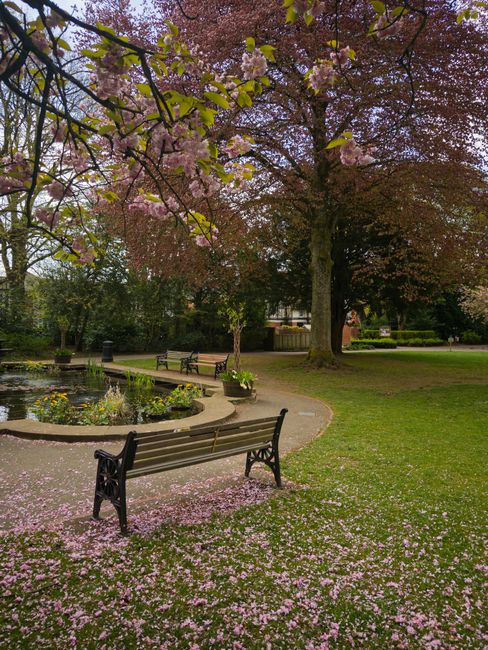
If you live near Highgate Village or overlook the calm greenery around Pond Square, you already know the difference a well-kept garden makes. It changes how a home feels. It softens a street, brightens a courtyard, and turns a small patch of outdoor space into somewhere you actually want to spend time. That is where Gardeners serving Highgate Village and Pond Square gardens come in: not just to cut grass or trim hedges, but to keep gardens healthy, manageable, and suited to the way local people really live.
This guide is for anyone weighing up professional garden help, thinking about what a good service should include, or simply wanting to understand how regular care works in an area where gardens can be charming, mature, and a little demanding. We will cover the practical details, the real-world decisions, and the small things that make all the difference. To be fair, gardens rarely fail because of one dramatic problem; more often, it is the steady accumulation of tiny jobs left too long.
Whether you need one-off tidying, seasonal maintenance, or a more complete refresh, the aim is the same: a garden that looks cared for without becoming high maintenance for you.
- Why local garden care matters here
- How the service works
- Benefits for homes and shared gardens
- Who needs it and when
- Step-by-step guidance
- Expert tips for better results
- Common mistakes to avoid
- Tools, resources and recommendations
- Law, compliance, standards, and best practice
- Options and comparison table
- Case study example
- Practical checklist
- Conclusion
- Frequently asked questions
Why Gardeners serving Highgate Village and Pond Square gardens Matters
Highgate Village and the gardens around Pond Square tend to reward regular attention. The planting is often established, which is lovely, but established also means layered, seasonal, and occasionally stubborn. You may have mature shrubs pressing into paths, a lawn that thins under shade, or borders that look great in spring and suddenly feel unruly by midsummer. Local garden care matters because these spaces do not usually respond well to occasional heavy-handed intervention. They do better with steady, informed maintenance.
There is also the local context. In parts of North London, gardens are often compact, overlooked, or bordered by neighbours and footpaths. That means neat edges, sensible pruning, and considerate waste handling really matter. A good gardener is not just improving one garden in isolation; they are helping the whole setting feel calmer and more presentable. You notice it when you walk past. You can hear it, oddly enough, too - less rattling overgrown foliage brushing fences, fewer dead stems snapping in the wind.
For many households, the real value is time. People want the garden to be usable, but not every weekend to disappear into weeding, mowing, or hedge cutting. Professional help reduces the burden while keeping control in your hands. And if you have a front garden visible from the street, that simple consistency can make a surprisingly big difference.
How Gardeners serving Highgate Village and Pond Square gardens Works
At its simplest, the process begins with understanding the garden rather than attacking it. A sensible gardener will look at what is actually there: sunlight, shade, soil condition, drainage, access, plant health, and the time of year. A garden beside a building with deep shade will need a very different approach from one that bakes in afternoon sun. Same postcode, different world.
Most work falls into a few practical categories. Routine care can include mowing, edging, weeding, deadheading, light pruning, and keeping paths clear. Seasonal work usually means more focused jobs like hedge trimming, cut-back of perennials, planting, feeding, or clearing fallen material. Then there are heavier tasks such as overgrown clearance, border reshaping, turf repairs, or structural improvements like new decking or landscaping.
In many cases, the service is customised. That is a good thing. Not every garden needs the same level of attention, and frankly, not every client wants the same pace or style of maintenance. Some want a crisp, formal look. Others prefer a softer, more natural feel, with less intervention and more pollinator-friendly planting. A decent provider should be able to work with both.
If you want a broader view of what a professional team can cover, it helps to look at a full services overview. That usually makes it easier to see where one-off help ends and ongoing maintenance begins.
And yes, the practical side matters too: access, timing, disposal, and safe use of tools all shape the experience. A tidy garden job that leaves you with debris piled in the wrong place is not really tidy at all.
Key Benefits and Practical Advantages
There are obvious benefits, and then there are the quieter ones that people tend to appreciate after a few months.
- Better curb appeal: A neat frontage and balanced planting make a home feel looked after.
- Healthier plants: Regular pruning, feeding, and deadheading help many shrubs and borders perform better.
- Less stress: Ongoing maintenance prevents the garden from becoming a long, overwhelming task list.
- Safer access: Clear paths, controlled growth, and correct cutting reduce trip hazards and awkward overhangs.
- Seasonal readiness: Gardens cope better with weather swings when jobs are done on time.
- More usable space: A garden that is managed properly is a garden you can sit in, not just look at through the window.
One of the biggest practical advantages is consistency. A garden often looks decent after a big tidy-up, but the real value appears when the space stays under control. A border that is kept back a little every few weeks is easier to manage than one left to run wild for months. You know the feeling: you finally go out with secateurs and five minutes later realise you need a whole afternoon, possibly a cup of tea and a rethink.
There is also a sustainability angle. Regular maintenance can reduce waste, avoid unnecessary replanting, and keep a garden working with the seasons rather than against them. If that matters to you, it is worth asking about approaches to green waste and responsible disposal. You can also explore the team's approach to recycling and sustainability if you want gardening that feels more considered.
Who This Is For and When It Makes Sense
This kind of service is not only for large properties or obviously neglected gardens. In fact, some of the best-fit situations are fairly ordinary.
- Busy homeowners who want the garden kept tidy without giving up entire weekends.
- Older properties with mature planting where shrubs and hedges need confident, careful upkeep.
- Landlords and managing agents who need outdoor spaces presentable for tenants or viewings.
- Households preparing to sell and wanting a cleaner, more appealing first impression.
- Anyone returning from a period of neglect and needing help to get things back under control.
- People planning improvements such as new borders, lawn repairs, or a more usable layout.
It also makes sense if your garden has one or two ongoing frustrations that keep recurring. Maybe the hedge is always too tall by late summer. Maybe the lawn never quite recovers in the shaded corner. Maybe the back garden becomes cluttered with prunings, pots, and forgotten bits of timber. A professional gardener can help you decide what is worth fixing, what is worth replacing, and what can simply be managed better.
And sometimes, truth be told, the need is not technical. You just want your garden back. That is valid.
Step-by-Step Guidance
If you are approaching garden care for the first time, or coming back to it after a long gap, this is the clearest way to think about it.
- Walk the garden slowly. Look at what is overgrown, unhealthy, patchy, or awkward to maintain.
- Decide what outcome you want. Is the goal tidiness, more planting, less work, better privacy, or a full refresh?
- Separate urgent jobs from nice-to-have jobs. Safety and access usually come first. A dramatic redesign can wait.
- Choose the right type of service. Routine upkeep, hedge trimming, lawn mowing, clearance, landscaping, or a mix.
- Agree the scope clearly. Be specific about what should stay, what should go, and how waste should be handled.
- Check timing against the season. Some jobs are better done in drier conditions or outside peak nesting periods where relevant.
- Review the result and plan the next visit. A single visit is useful; a rhythm is better.
For many gardens, the most efficient route is a combination of maintenance and occasional improvement work. A lawn may need repeated care through the growing season, while a border redesign or structure repair happens less often. If you need ongoing upkeep, the garden maintenance service is the natural place to start. If the site has become genuinely untidy or accumulated too much waste, garden clearance may be the better first move.
That split matters. People sometimes assume every job is a maintenance job, but sometimes the garden needs a reset before normal care can work properly again.
Expert Tips for Better Results
Here is where a little judgement pays off. Gardens in and around Highgate often benefit more from careful restraint than from aggressive cutting. Less is sometimes more, especially with mature planting.
First tip: trim with the shape of the plant in mind, not just the line of the fence. A hedge that is cut flat but starved of light at the base can end up looking thin and tired. A better trim keeps it dense and healthy.
Second tip: think in layers. The top of a border, the mid-height shrubs, and the groundcover all have different roles. When they are treated as one mass, the garden can lose depth and texture. When they are managed separately, the result is calmer and more intentional.
Third tip: keep an eye on drainage. North London gardens can be patchy in this respect, especially where roots, paving, or compacted soil have altered how water moves. If plants are repeatedly failing in one place, the problem may not be the plant at all.
Fourth tip: do the boring jobs early. Weeding, sweeping, clearing leaves, checking fixings, and removing dead material are not glamorous. But they stop bigger problems from forming. Gardening has a way of rewarding the unexciting stuff.
Fifth tip: talk honestly about access and constraints. Narrow side passages, shared entries, resident parking, or awkward steps can affect how work is planned. The better the briefing, the smoother the day.
If you are considering design changes as well as upkeep, it may help to review landscape gardening support or broader landscaping options. That can make maintenance simpler later, which is the kind of win people appreciate six months on.
Common Mistakes to Avoid
A lot of garden problems are self-inflicted, and that is not a criticism. It just means they are fixable.
- Cutting too much at once: Hard pruning can shock plants, especially if done at the wrong time.
- Ignoring seasonal timing: Some jobs are best scheduled carefully, not forced into a convenient weekend.
- Letting waste build up: Loose branches and cuttings left around can smother plants and make spaces feel unfinished.
- Overlooking lawn care: Mowing alone is not always enough if the grass is compacted, shaded, or patchy.
- Choosing appearance over structure: A quick tidy that hides a deeper issue can cost more later.
- Not being specific about the finish you want: "Neat" means different things to different people.
Another common slip is treating every outdoor job as a DIY win. Fair enough, some things are manageable. But if a hedge is tall, a tree is unstable, or access is tricky, safety and expertise matter more than pride. No one gets bonus points for wobbling on a ladder with a blunt saw. Let's not make gardening into a suspense film.
If height, density, or safety is part of the problem, specialist help such as hedge trimming or tree lopping and removal may be the right route rather than a general tidy-up.
Tools, Resources and Recommendations
Good gardening work is partly about skill and partly about using the right tools cleanly and consistently. You do not need a shed full of equipment to understand what sensible care looks like, but it helps to know what is usually involved.
| Task | Typical tools or approach | What to look for in the result |
|---|---|---|
| Lawn mowing | Well-maintained mower, edge finishing, correct cutting height | Even cut, clean edges, no scalping or missed strips |
| Hedge trimming | Sharp trimmers, measured shaping, careful clearing | Straight lines, healthy growth retained, light reaching lower sections |
| Garden clearance | Pruners, sacks, barrows, organised waste removal | No hidden piles, beds left breathable, access restored |
| Border maintenance | Hand weeding, mulching, selective cutting | Defined planting areas, fewer weeds, better moisture retention |
| Layout improvements | Planning, measuring, surfacing or planting changes | Practical use, easier upkeep, balanced appearance |
For mowing specifically, a dedicated lawn mowing service can be helpful if you want a tidy, repeatable finish through the growing season. If the garden needs a new structure, path, or surface to support future use, it may be worth looking at the stronger planning side of the work before you simply add more plants.
And if you are comparing providers, ask how they handle waste, whether they work with your access constraints, and how they communicate before and after the job. Clear communication sounds ordinary. It is not ordinary when someone has to work around a neighbour, a narrow alley, and a half-finished compost heap in the rain.
Law, Compliance, Standards, or Best Practice
Garden maintenance is not usually a heavily regulated service in the way some trades are, but there are still important standards and responsibilities to think about. Safety is the obvious one. So is respect for neighbours, access, and the condition of the site. Where work involves ladders, cutting equipment, tree work, or waste handling, the people doing the job should follow sensible safety procedures and use appropriate protective equipment.
In the UK, professional garden work also commonly follows best practice around waste disposal, safe tool use, and clear customer communication. That is especially relevant when dealing with overgrowth, heavy cut material, slippery surfaces, or hidden hazards such as damaged fencing or unstable roots. If something looks risky, it should be treated as risky. Common sense, really, but worth saying.
It is also reasonable to ask whether a provider is insured and how they manage health and safety. If you are letting anyone work around your property, that reassurance matters. You can review practical details in the company's insurance and safety information and its health and safety policy. Those pages are useful because they show how the service thinks about risk, not just about appearance.
For customers, there is also a simple best practice: give accurate access information, mention pets, flag fragile surfaces, and say if any areas should be avoided. That kind of clarity prevents problems before they start. Surprisingly often, that is half the job.
Options, Methods, or Comparison Table
People usually choose between a few broad approaches. The best one depends on the condition of the garden and how much ongoing input you want.
| Option | Best for | Strengths | Trade-offs |
|---|---|---|---|
| One-off tidy-up | Gardens that have slipped behind | Fast reset, visible improvement | Can drift again without follow-up care |
| Regular maintenance | Homeowners who want consistency | Predictable, easier to budget and plan | Requires an ongoing schedule |
| Clearance first, then maintenance | Overgrown or cluttered gardens | Removes the biggest barrier before routine care | Can take more than one visit |
| Maintenance plus landscaping | Gardens needing practical improvement | Better layout, easier long-term upkeep | More planning required upfront |
In many Highgate gardens, the best route is not extreme. It is a measured combination: a good initial tidy, some structural improvement where necessary, then routine care to keep everything honest. That tends to produce better results than a dramatic one-off makeover that never quite fits the space.
If your space includes hard surfaces, steps, or an outdoor sitting area, you may also want to think about decking services as part of a broader plan. Not every garden needs it, of course, but it can help create a more usable outdoor room in the right setting.
Case Study or Real-World Example
Imagine a typical back garden near Highgate Village: mature shrubs, a lawn that gets patchy under tree cover, a hedge that has crept wider than expected, and a corner full of old cuttings and forgotten plant pots. Nothing dramatic. Just a space that has been asking for attention for a while.
The first visit starts with a clear-out. Dead material goes, access is restored, and the main paths are made usable again. Next comes selective pruning rather than blunt cutting, because the goal is to keep structure and health, not just reduce volume. The lawn is cut at a sensible height. Edges are tidied. A few plants are lifted or reshaped to let more light through. In a second stage, the dullest part of the garden is reconsidered: perhaps a border is simplified, perhaps a small paved area is improved, perhaps a weak lawn patch is replaced with something more realistic for the shade.
The result is not a miracle. That would be silly. But the garden becomes cleaner, easier to maintain, and more inviting. The client can walk through it without dodging branches, and the whole space feels like it belongs to the house again. That is often the real goal, especially in compact urban gardens.
That kind of job is also where careful sequencing matters. If you skip the clearance phase and jump straight to routine maintenance, you often end up fighting the same clutter month after month.
Practical Checklist
Use this when you are preparing for garden work or comparing providers.
- Have you identified the main priority: tidy-up, maintenance, clearance, or improvement?
- Do you know which areas must be kept clear for access?
- Have you flagged any fragile plants, hidden hazards, or awkward surfaces?
- Are hedges, shrubs, and trees being handled at the right level of intervention?
- Do you want the garden to look formal, natural, or somewhere in between?
- Have you asked how waste will be collected and removed?
- Is lawn care needed on a repeat basis rather than as a one-off?
- Would the garden benefit from structural changes to make upkeep easier later?
- Have you checked insurance and safety expectations?
- Are you clear about timing, access, and any neighbour-related considerations?
If you can answer most of those cleanly, you are in a good position. If not, that is fine too. It just means the brief needs a bit more thought before work starts.
Get a free quote today and see how much you can save.
Conclusion
Gardeners serving Highgate Village and Pond Square gardens do more than keep things neat. They help gardens stay usable, healthy, and suited to the character of the area. In a place where many outdoor spaces are mature, visible, and a little precious, that kind of care makes a real difference. It keeps the garden from becoming a burden and turns it back into part of daily life.
The best results usually come from a calm, steady approach: clear priorities, sensible timing, and work that respects the shape of the space. Whether you need maintenance, clearance, trimming, or a broader redesign, the important thing is getting the right first step. After that, the rest tends to fall into place more easily than people expect.
If you are thinking about a garden reset or just want regular support that keeps everything under control, start with a conversation and a clear brief. Simple, really. And once the garden begins to settle, you will feel it - in the view from the window, in the air, in that small bit of peace that arrives when the outside space finally feels looked after.
Frequently Asked Questions
What do gardeners serving Highgate Village and Pond Square gardens usually help with?
They typically handle mowing, hedge trimming, weeding, pruning, border care, garden clearance, and sometimes larger improvement work such as landscaping or decking-related jobs. The exact scope depends on the garden and what the client wants to achieve.
How often should a garden in this area be maintained?
It depends on the size of the garden, the planting style, and how quickly things grow. Many gardens benefit from seasonal attention, while lawns and hedges may need more regular visits during the growing months.
Is a one-off tidy-up enough, or do I need regular maintenance?
If the garden is already in good shape, a one-off visit may be enough. If growth is fast, the layout is awkward, or the space is used often, regular maintenance usually gives a better result over time.
What is the difference between garden clearance and garden maintenance?
Garden clearance is for overgrown, cluttered, or neglected spaces that need a reset. Garden maintenance is the ongoing work that keeps a garden in good order after that initial clean-up.
Can a gardener help with shaded or difficult gardens?
Yes. Shaded gardens often need a different planting approach and more careful lawn care. A good gardener will look at the conditions first rather than applying a one-size-fits-all fix.
Do I need to prepare anything before the gardener arrives?
It helps to clear access, mention any pets, and point out delicate areas or items that should not be moved. The more practical information you give upfront, the smoother the visit tends to be.
How do I know whether a hedge or tree needs specialist attention?
If a hedge is very tall, dense, or awkward to reach, or if a tree looks unsafe, specialist attention is usually the sensible option. Safety comes first, especially where ladders or heavy cutting are involved.
What should I ask before booking a gardening service?
Ask what is included, how waste is handled, whether the team is insured, what timing is realistic, and whether the work is better done as a one-off or part of a longer plan. Those questions save hassle later.
Will regular gardening help improve the appearance of my home?
Usually, yes. A tidy front garden, balanced hedging, and healthy planting can make a property feel more cared for straight away. It is one of those changes people notice without always being able to say why.
Are landscaping and garden maintenance the same thing?
No. Maintenance keeps an existing garden in good shape. Landscaping changes the structure, layout, or surfaces of the outdoor space. The two can work together, but they are different jobs.
How important are insurance and safety checks?
Very important. If tools, heights, or heavy materials are involved, you want confidence that the work is being handled responsibly. It is sensible to review the provider's insurance and safety information before work starts.
What if my garden has become too overgrown to manage easily?
That is common, and it is fixable. In many cases the best first step is a proper clearance, followed by a maintenance plan that keeps the garden from slipping back into the same state. No judgement, just a reset.