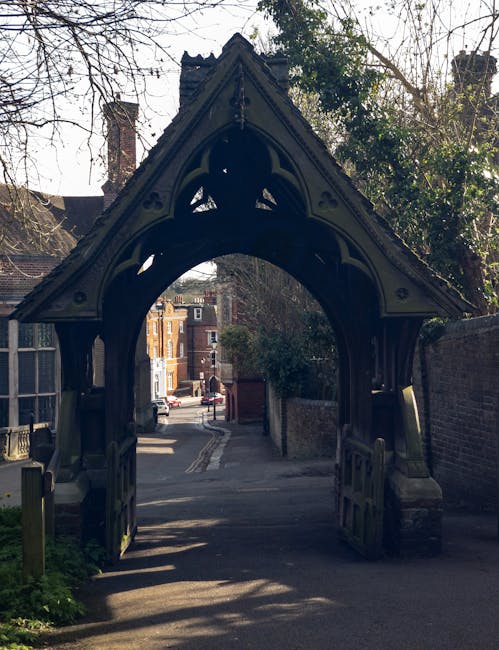
Archway Road gardeners for narrow access and courtyard gardens: practical, careful gardening for tight London spaces
Small gardens can be some of the most rewarding spaces to work in, but they can also be the most awkward. If you live on or near Archway Road and your garden is reached through a side gate, shared passage, basement steps, or a narrow courtyard, you already know the problem: there is rarely much room to move, store materials, or bring in larger equipment. That is exactly where Archway Road gardeners for narrow access and courtyard gardens make a real difference.
This guide explains how tight-access garden work is planned, what good gardeners do differently, and how to decide whether you need simple upkeep, a smarter layout, or a more complete reset. It is written for real homes, not ideal ones. The sort with a wheelie bin in the way, a delicate pot that always seems to be in the wrong place, and a path just wide enough to be annoying. You know the type.
If you are weighing up maintenance, clearance, hedging, mowing, or a more considered redesign, you may also find it useful to look at the broader services overview and the company's approach to routine garden maintenance.
Table of Contents
- Why narrow-access courtyard gardening matters
- How tight-access garden work works
- Key benefits and practical advantages
- Who it is for and when it makes sense
- Step-by-step guidance
- Expert tips for better results
- Common mistakes to avoid
- Tools, resources and recommendations
- Law, compliance, standards and best practice
- Options, methods and comparison table
- Case study or real-world example
- Practical checklist
- Conclusion
- Frequently asked questions
Why Archway Road gardeners for narrow access and courtyard gardens Matters
Tight-access gardens are not simply smaller versions of bigger gardens. They ask for different judgement, different kit, and a calmer way of working. In a courtyard or a narrow rear garden, every movement matters. A bulky mower that would be fine on a broad lawn can become a headache. A pile of prunings that seems harmless in a large garden can block the only route out. Even water runoff can become a small nuisance if hard surfaces and plant beds are not thought through.
On Archway Road and nearby streets, many properties have one or more of the following: side return access, split-level paving, basement entries, narrow stairways, or enclosed courtyards with limited light. The result is a garden that can feel more like a carefully arranged outdoor room than a traditional plot. That is not a problem. In fact, it can be a strength. But it does mean the work has to be planned properly.
A good gardener reads the space before touching a tool. Where does the sunlight land in the morning? Which corner dries out quickly? Is there enough room to carry cuttings through without scraping walls or damaging planting? Can furniture be moved, or does it need to stay in place while work is carried out? Those questions sound simple. They save time, mess, and the kind of awkward surprises nobody wants on a damp Tuesday afternoon.
Expert summary: Narrow access gardening is less about brute force and more about control. The best results usually come from careful sequencing, compact tools, and a realistic plan for removal, storage, and finishing touches.
That is also why this type of work often overlaps with other services. Overgrown borders may need garden clearance before regular upkeep can begin. Tall shrubs might call for hedge trimming. Small lawns may need precise lawn mowing rather than broad-scale mechanical cutting. And if the space needs a more complete transformation, landscaping or landscape gardening can help rework the whole layout around access realities.
How Archway Road gardeners for narrow access and courtyard gardens Works
Good tight-access garden work usually starts before the team arrives. The first stage is a short site assessment, whether by phone, photos, or a visit. The aim is to understand the route into the garden, the size of the working area, and any limits on noise, storage, or disposal. That preparation is not bureaucracy for its own sake. It prevents chaos later.
Once access is understood, the job is broken into manageable phases. In a compact courtyard, for example, a gardener may clear one section at a time, work from the furthest point back toward the exit, and keep waste contained as they go. That sounds obvious. Yet it is exactly the sort of thing that separates a calm visit from a messy one.
The tools matter too. Tight spaces usually favour lightweight hand tools, compact hedge cutters, smaller mowers, manual pruning equipment, long-handled loppers, and controlled collection methods. Sometimes a smaller machine is better than a larger one. Sometimes manual work is actually quicker once you factor in manoeuvring time. To be fair, there is no prize for bringing the biggest machine to a garden that can barely fit a wheelbarrow.
In a narrow-access job, waste handling is often as important as the cutting itself. Cuttings, soil, broken pots, or old fixtures need a path out. If there is no easy route, the work plan must allow for staged removal. That is where experienced gardeners make life easier: they think about the exit before the entrance.
If the courtyard includes timber structures, small seating areas, or steps, some jobs can overlap with more structural improvements. For example, a tired raised edge may be better replaced than patched, and a slippery timber surface might sit alongside a request for decking services if the garden's layout is being refreshed more broadly.
Key Benefits and Practical Advantages
The main benefit of a specialist approach is simple: the garden gets better work with less disruption. But there are several other advantages worth spelling out.
- Less risk of damage: Narrow passages, render, painted brick, and old paving can all be scratched or chipped if the wrong kit is dragged through.
- Cleaner results: Courtyards tend to show every leaf, twig, and smear of soil. Careful working methods leave the space presentable when the job is done.
- Better use of limited space: Small gardens often become cluttered over time. A tidy structure can make them feel larger and calmer.
- Improved plant health: Crowded courtyards need the right pruning, watering, and placement to stop plants competing too aggressively.
- Safer access and movement: Clear routes reduce the chance of trips, strained lifting, and accidental knocks.
- More realistic maintenance plans: Once the space is understood properly, it becomes easier to keep on top of it without drama.
A hidden benefit, and one people often notice after the first proper visit, is the sense of relief. The garden stops feeling like a problem area. It starts feeling usable again. Even a modest improvement can change how you use the space in the morning, when the light is soft and the paving is still cool underfoot.
For gardens that have been neglected for a while, a careful first visit may include a heavier reset. In those cases, it is worth exploring a one-off garden clearance before settling into ongoing maintenance. That way the follow-up work is easier, more efficient, and frankly less annoying for everyone involved.
Who This Is For and When It Makes Sense
This kind of service suits a wide range of homeowners and landlords, but especially people dealing with awkward access or limited turning space. If any of the following sounds familiar, you are probably in the right territory.
- You have a courtyard, terrace, roof garden, or rear yard with limited entry points.
- Your garden can only be reached through the house, a side alley, or a narrow passage.
- Large tools are difficult to manoeuvre, so work takes longer than it should.
- You want regular upkeep but the space gets messy quickly because it is enclosed or shaded.
- The garden needs restructuring after a period of neglect, building work, or tenant changeover.
- You need a practical way to manage hedges, shrubs, lawn patches, containers, and hard surfaces together.
It also makes sense if you care about privacy and quiet. Courtyard gardens often sit close to windows, neighbours, and shared boundaries. That means the right gardener works thoughtfully, keeps noise down where possible, and avoids unnecessary disruption. Nobody wants a long morning of banging and dragging where a gentler approach would do.
Some clients only need a seasonal tidy-up. Others need an ongoing plan that includes planting, soil care, and structural improvements. If the space is being reimagined rather than just tidied, it can help to look at broader landscape gardening options rather than treating the garden as a collection of separate chores.
Step-by-Step Guidance
If you are planning work in a narrow-access or courtyard garden, a simple process helps keep things realistic. Here is the approach we would usually recommend.
- Map the access route. Measure gates, passages, stairs, and any bends or low points. Note where equipment will need to turn.
- Identify fragile surfaces. Look for glass, painted walls, old brickwork, loose paving, timber edging, and narrow thresholds.
- Separate the priorities. Decide what must be done now and what can wait. Cutting back an overgrown shrub may matter more than replacing every pot on day one.
- Choose the right method. Manual tools, compact machines, or a hybrid approach may all be appropriate depending on the route and the task.
- Plan waste removal. Decide where cuttings will be stacked, how they will be bagged, and whether multiple trips are needed.
- Work from back to front. In tight spaces, this keeps the exit clear and avoids trampling finished areas.
- Finish with a reset. Sweep, rinse, and re-space the area so it is ready to use straight away.
The final step sounds small, but it matters. A courtyard garden can look half-finished if soil is left on paving or the furniture is pushed back badly. A neat reset is what makes the difference between "job done" and "actually enjoyable to sit in later".
If you are unsure how much work is needed, start with the most urgent issue and build from there. In many cases, a first visit followed by a regular schedule is better than trying to solve everything in one go. That is especially true where access is awkward and time on site has to be used carefully.
Expert Tips for Better Results
Small spaces reward attention to detail. A few practical habits can make a big difference.
- Keep pathways clear at all times. In a narrow garden, a temporary pile becomes a permanent obstacle very quickly.
- Use containers intentionally. Pots can soften hard surfaces, but too many small pots make a courtyard feel cramped. Group them with purpose.
- Prune for shape, not just size. Dense shrubs in enclosed gardens often need thinning as well as shortening, so light can reach the centre.
- Choose plants that fit the setting. Upright, shade-tolerant, and low-spill varieties often perform better than sprawling, thirsty plants.
- Think about winter drainage and summer heat. Courtyards can collect cold and damp, or turn into heat traps depending on wall materials and exposure.
- Use smaller, more frequent visits. It is often easier to keep a compact garden under control with lighter, regular maintenance than with occasional heavy intervention.
One of the best bits of advice? Do not chase perfection at the expense of usability. A courtyard that looks immaculate but feels too precious to sit in has missed the point a bit. Gardens are for living in, not just admiring from the kitchen window.
If the space includes hedges or boundary planting, regular shaping may be the most effective way to preserve both light and privacy. In that case, a focused hedge trimming service can keep the garden tidy without overwhelming the small footprint.
Common Mistakes to Avoid
There are a few recurring mistakes that show up in narrow-access gardens. Most are fixable, which is the good news.
- Buying oversized equipment for a small route. A machine that is brilliant in a larger garden can be useless if it will not fit through the gate.
- Ignoring waste logistics. Cutting is the easy bit. Getting the waste out cleanly is often the real test.
- Overplanting. It is tempting to fill every corner, but cramped courtyards need breathing room as much as colour.
- Forgetting maintenance after the tidy-up. A dramatic one-off clear-out is satisfying, but the garden will drift back if there is no follow-up plan.
- Using the wrong pruning style. Some plants recover well from a hard cut; others do not. A blunt approach can cost you next season's growth.
- Leaving hard surfaces untreated. Moss, algae, and fallen debris can make enclosed spaces slippery and dull-looking.
And yes, it can be tempting to keep saying "we'll sort it next month". Everybody says that at some point. Then the ivy has other plans.
Another common issue is underestimating the need for disposal or recycling. When a garden contains old compost sacks, broken planters, timber offcuts, or bulky waste, a proper clearance plan is essential. A tidy finish depends on it.
Tools, Resources and Recommendations
For narrow-access and courtyard work, the best tools are usually the ones that are easy to control rather than the ones with the most power. That is especially true in homes where every movement has to be deliberate.
| Task | Practical approach | Why it works well in tight spaces |
|---|---|---|
| General tidy-up | Hand tools, secateurs, small rake, bagged waste | Low noise, easy to carry, less risk to walls and paving |
| Grass cutting | Compact mower or careful strimming, depending on access | More manoeuvrable in confined areas |
| Hedge and shrub control | Manual pruning and compact hedge tools | More precise shaping, less overspray and mess |
| Overgrown clearance | Staged reduction and scheduled waste removal | Stops the route from being blocked mid-job |
| Surface refresh | Brushing, washing, weed removal, and spot treatment | Keeps the garden usable without heavy disturbance |
Useful practical extras include folding bags, sturdy gloves, kneeling pads, and lightweight tarps. Small things, really, but they help a great deal. A clean tarpaulin on a damp morning can save a lot of hassle.
If your garden is part of a larger change, it may be worth combining maintenance with structural work. For instance, small paving adjustments, retaining features, or seating zones may sit alongside landscaping or even decking services if the aim is to make the space easier to use all year round.
Law, Compliance, Standards and Best Practice
For most domestic gardening work, the main concerns are safety, access, waste handling, and neighbour consideration rather than complex regulation. Still, good practice matters. A reliable gardener should work in a way that reduces trip hazards, avoids damage to property, and handles waste responsibly.
In practical terms, that means planning manual handling sensibly, keeping access routes clear, and using equipment suited to the setting. It also means being careful around shared entrances, communal paths, and nearby windows. In dense London streets, a little consideration goes a long way.
Where waste is removed, it should be dealt with through appropriate disposal or recycling methods. If a provider says they value this, check whether they explain their approach clearly. A sensible commitment to recycling and sustainability is usually a good sign that the job will be handled with care rather than dumped into the nearest pile and forgotten.
Insurance and safety are worth asking about too. Accidents are rare when work is planned well, but this is still somebody working around your home, with tools and awkward surfaces. It is fair to ask how they manage risk. You should not feel awkward doing that. Not at all.
For many clients, the most practical best practice is simple: get a clear scope, confirm how access will be handled, and agree what happens if the work uncovers something bigger than expected. That avoids confusion later and keeps the job running smoothly.
Options, Methods, and Comparison Table
Not every courtyard or narrow garden needs the same level of service. Sometimes a light touch is enough. Sometimes the layout needs a proper rethink. Here is a useful way to compare the main options.
| Approach | Best for | Strengths | Limitations |
|---|---|---|---|
| Routine maintenance | Already tidy gardens that need regular care | Predictable, cost-efficient, keeps momentum | May not solve deeper access or layout issues |
| One-off clearance | Overgrown or cluttered spaces | Fast reset, removes the immediate burden | Needs follow-up to stay effective |
| Targeted pruning and shaping | Courtyards with shrubs, hedges, and boundary planting | Improves light, shape, and privacy balance | Requires plant knowledge and restraint |
| Full redesign or landscaping | Spaces that feel awkward, dated, or hard to use | Can transform function and appearance | Usually more involved and takes longer to plan |
As a rule of thumb, if the garden is broadly working but untidy, maintenance is probably the right start. If the space feels blocked, unbalanced, or unusable, then a clearance or redesign may be a better first move. It is not always the glamorous answer, but it is often the sensible one.
Case Study or Real-World Example
Imagine a small rear courtyard reached through a narrow side passage. The space has three mature shrubs, a patch of tired turf, old terracotta pots, and a paved area that has become slippery with moss. The owner likes the garden, but every tidy-up has turned into a wrestling match with the access route. Sounds familiar, right?
The work begins with a quick assessment of the passage width, where waste can be stacked, and what can safely stay in place. The shrubs are thinned and shaped rather than hacked back. The turf patch is cut more carefully with a compact mower or hand tools, depending on the actual access. The paving is brushed, cleared, and treated as needed. Old clutter is removed in stages so the route stays usable.
The difference is not just visual. The garden becomes easier to maintain, easier to walk through, and much less likely to feel neglected again. A space like that does not need to become a show garden. It just needs to work. That is the win.
In many cases, a visit like this leads naturally into regular upkeep. Once the layout is clearer, the homeowner can decide whether they want seasonal visits, occasional pruning, or a broader plan that includes longer-term improvement. If needed, the next step might even be a small section of practical lawn mowing or an expansion into broader landscape gardening to make the whole space feel more coherent.
Practical Checklist
Use this checklist before booking or starting work in a narrow-access courtyard garden.
- Measure gate widths, side passages, and any stair access.
- Check for fragile surfaces, awkward corners, and low head height.
- Decide what needs to be cleared, trimmed, mown, or reworked.
- Note where waste can be stacked without blocking the exit.
- Identify plants that may need specialist pruning rather than a hard cut.
- Make sure furniture, pots, and ornaments are either moved or protected.
- Think about drainage, shade, and where water naturally runs.
- Confirm whether you want one-off work or an ongoing maintenance plan.
- Ask how the team handles recycling and disposal.
- Agree what happens if the gardener uncovers a bigger issue, such as damaged edging or a hidden patch of rot.
If a garden has become heavily congested, a first-pass tidy may need to be followed by a more deliberate garden clearance before maintenance becomes realistic. That is often the cleanest route forward.
Get a free quote today and see how much you can save.
Conclusion
Archway Road homes with narrow access and courtyard gardens need a gardening approach that is careful, compact, and realistic. The aim is not to force a standard garden routine into an awkward space. It is to work with the space you actually have, so it feels better to use and easier to keep.
Whether you need a light refresh, hedge and shrub shaping, a one-off clearance, or a more thoughtful redesign, the right approach starts with access, not assumption. Once that is understood, everything else gets simpler. Cleaner routes, better plant choices, less friction. It all adds up.
If you are ready to take the next step, start with the current condition of the garden, the access route, and the outcome you want most. The right plan is often simpler than people expect. And once the space is working properly, you will notice it every time you step outside.
There is a quiet satisfaction in a courtyard that just flows. No fuss, no squeeze, no half-finished corners. Just a garden that fits the house and the way you live.
Frequently Asked Questions
What makes narrow-access garden work different from regular garden maintenance?
The main difference is planning. In a narrow-access garden, the route in and out, waste handling, and tool choice matter almost as much as the gardening itself. The work has to be sequenced carefully so the space stays usable while the job is underway.
Can a courtyard garden still have planting and structure, or does it need to stay very simple?
It can absolutely have character. The trick is balance. Courtyard gardens often work best with a smaller number of well-chosen plants, clean lines, and a layout that leaves enough room to move. Too much clutter can make them feel cramped very quickly.
Do narrow gardens usually need special equipment?
Often, yes. Compact tools, hand equipment, and lightweight mowers or pruning tools are common because they are easier to manoeuvre through tight routes. Bigger machines are not always better, especially if they create more disruption than benefit.
How do gardeners remove waste from a courtyard if the access is limited?
They usually work in stages. Cuttings and debris are kept contained, stacked safely, and removed in manageable loads. Good planning prevents the exit route from being blocked halfway through the job.
Is a one-off clearance enough, or should I book regular visits?
That depends on the garden. If the space is badly overgrown, a clearance may be the right first step. But if you want the garden to stay tidy and usable, regular maintenance is usually the better long-term answer. One-off work without follow-up tends to slip backwards.
What if my courtyard is mostly paved and only has a few plants?
That still counts as a garden, and it still benefits from care. Paved courtyards often need weed removal, sweeping, moss control, container management, pruning, and occasional planting refreshes. In some cases, they need less mowing and more tidy detailing.
Can you improve a small garden without major building work?
Yes, very often. Better pruning, smarter planting, cleaner paving, and a more disciplined layout can transform the feel of a small garden without a full rebuild. Sometimes the nicest result comes from restraint rather than reinvention.
How do I know whether I need landscaping rather than simple maintenance?
If the garden is functional but untidy, maintenance may be enough. If the access is awkward, the layout feels inefficient, or the space is hard to use, then landscaping or landscape gardening may be the better route. A good gardener can help you judge that honestly.
Are courtyard gardens harder to keep healthy than open gardens?
They can be, mainly because they often get less light, less airflow, or more reflected heat from walls and paving. That does not mean they are difficult, just different. Plant choice and watering habits matter more in enclosed spaces.
What should I ask before booking a gardener for a tight-access property?
Ask how they handle access, what tools they plan to use, how waste will be removed, and whether the job is better suited to maintenance, clearance, or redesign. It is also sensible to ask about safety and insurance. Straightforward questions, but very useful ones.
How often should a narrow-access garden be maintained?
There is no single answer, because growth rates and use vary. Some courtyards need monthly attention; others do fine with seasonal visits. The right frequency is the one that keeps the garden manageable without letting it tip into catch-up mode.
What is the best first step if my courtyard feels overwhelming?
Start with a simple assessment. Identify access limits, the messiest areas, and the most important outcome. Once you know whether the problem is clearance, pruning, planting, or layout, the next step becomes much easier. And honestly, that first bit of clarity is often the hardest part.
If you want to understand the company behind the service, you can also read more about the team or make a direct enquiry through the contact page.